
Are you ready to change your body in just 30 days? Losing weight is tough, but a proven plan can help. You need healthy food, regular exercise, and a lasting lifestyle change.
You’ll learn effective weight loss strategies that are simple to do every day. By the end of 30 days, you’ll not only lose weight. You’ll also keep healthier habits for good.
Key Takeaways
- Understand the importance of a 30-day weight loss plan for achieving your weight loss goals.
- Learn effective weight loss strategies that are easy to incorporate into your daily routine.
- Discover how to maintain a healthy lifestyle beyond the 30-day period.
- Get tips on how to stay motivated throughout your weight loss journey.
- Explore the benefits of a sustainable weight loss plan.
The Science Behind Rapid Weight Loss
Rapid weight loss isn’t just about eating less. It’s about knowing the science behind it. To lose weight in 30 days, you must understand the key principles of weight loss.
Understanding Caloric Deficit
A caloric deficit happens when you eat fewer calories than you burn. This leads to weight loss. First, you need to know how many calories you should eat each day.
Calculating Your Personal Calorie Needs
Your daily calorie needs depend on several things. These include your age, gender, weight, height, and how active you are. A calorie calculator or a doctor can help figure out your starting point.
Safe Deficit Ranges for Quick Results
A safe caloric deficit for quick weight loss is 500 to 1000 calories a day. This amount helps you lose weight fast without risking health problems or not getting enough nutrients.
Metabolism and Weight Loss
Your metabolism is key to losing weight. It’s how your body burns fat and uses energy.
How Your Body Burns Fat
When you eat fewer calories, your body uses stored fat for energy. This process is influenced by your metabolic rate. Your metabolic rate can be affected by genetics, muscle mass, and health.
Metabolic Adaptations During Weight Loss
As you lose weight, your metabolism gets better. This means you might need to change your diet or exercise to keep losing weight at a steady rate.
Setting Realistic Goals for Your 30-Day Journey
Starting a 30-day weight loss journey means setting goals that fit your life and health goals. It’s important to know what’s healthy and possible in this short time.
What’s Healthy vs. What’s Possible
When trying to slim down quickly, it’s key to know the difference between healthy and unhealthy ways. Some quick fixes might harm your health.
The Truth About Safe Weight Loss Rates
Safe weight loss is 1-2 pounds a week. So, in 30 days, aim for 4-8 pounds. Health experts say slow weight loss is better for keeping weight off.
Non-Scale Victories to Track
There are many non-scale victories to track, like more energy, better sleep, and feeling good. These can be just as motivating as losing weight.
| Non-Scale Victory | Description |
|---|---|
| Increased Energy | Noticing you can perform daily tasks with more vigor |
| Improved Sleep | Experiencing better rest and recovery during sleep |
| Better Overall Well-being | Feeling more positive and confident in your body |
Creating Your Personal Weight Loss Targets
To shed pounds in 30 days well, set personal goals. Look at your health, lifestyle, and goals.
Short-term vs. Long-term Goals
While losing weight in 30 days is your goal, think about your long-term plan too. Balancing both is crucial for lasting success.
Using the SMART Goal Framework
The SMART goal framework (Specific, Measurable, Achievable, Relevant, Time-bound) helps a lot. For example, “I will lose 5 pounds in 30 days by exercising for 30 minutes, 3 times a week, and eating 500 calories less per day.”
“Setting goals is the first step in turning the invisible into the visible.” – Tony Robbins
Setting realistic goals helps you stay motivated and track your progress on your 30-day weight loss journey.
Before You Begin: Essential Preparations
Starting your 30-day weight loss journey needs some key steps. Michelle Obama said, “You can’t make healthy choices if you’re not given healthy choices.” This shows how important it is to have a supportive environment.
Medical Considerations and Consultations
Always talk to a doctor before you start losing weight, if you have health issues. They can tell you how to lose weight safely. A study in the Journal of the American Medical Association showed talking to a doctor helps you reach your weight loss goals.
Gathering Your Support System
Having people who support you is very important. This could be family, friends, or a weight loss group. Telling others about your goals can help you stay motivated. Remember, “Many hands make light work.” Being around people who support you can really help.

Setting Up Your Environment for Success
Your surroundings are key to sticking to your weight loss plan. This means changing your kitchen and setting up a workout area at home.
Kitchen Makeover Strategies
Changing your kitchen means getting rid of bad foods and adding healthy ones. Focus on foods like veggies, fruits, lean meats, and whole grains. Michael Pollan says, “Eat food, not too much, mostly plants.” This helps you eat better.
Creating Workout Space at Home
Having a place for workouts at home helps you stay active. You don’t need a lot; a simple area with basic gear is enough. The goal is to make it easy to move more.
Your Complete 30-Day Meal Plan
Starting a 30-day weight loss journey needs a good meal plan. It should help you eat healthy and lose weight fast. Focus on foods that are full of nutrients and help you eat less.
Week 1: Resetting Your Eating Habits
The first week is for setting up your weight loss plan. It’s about learning to control your food portions.
Portion Control Fundamentals
It’s key to control how much you eat. Use small plates, measure your food, and watch your serving sizes. This helps you not eat too much.
Sample Meal Ideas and Recipes
Start with simple, healthy foods. Try oatmeal with fruits for breakfast, grilled chicken salads for lunch, and baked salmon with veggies for dinner. Use herbs and spices to add flavor without extra calories.
Week 2: Optimizing Nutrition
In the second week, focus on making your diet better. Choose the right proteins and carbs.
Protein-Focused Meal Planning
Add lean proteins like chicken, fish, and tofu to your meals. They help keep you full and support muscle.
Smart Carbohydrate Choices
Go for complex carbs like whole grains, fruits, and veggies. They give you fiber and nutrients.
Week 3: Fine-tuning Your Diet
The third week is for making your diet even better.
Strategic Meal Timing
Eat at regular times to keep your metabolism up and avoid hunger.
Adjusting Macronutrient Ratios
Try different mixes of carbs, proteins, and fats. Find what works best for you and your weight loss goals.
Week 4: Sustainable Eating Patterns
In the last week, focus on eating habits you can keep up with after 30 days.
Flexible Eating Approaches
Choose a flexible eating plan. It should let you enjoy treats and change as you see fit.
Transitioning to Maintenance Nutrition
As you near the end, think about keeping your weight off. Keep eating healthy and watch your calories.
Following this 30-day meal plan will help you reach your weight loss goals. Remember, the secret to success is being consistent and patient.
How to Lose Weight in 30 Days Through Strategic Exercise
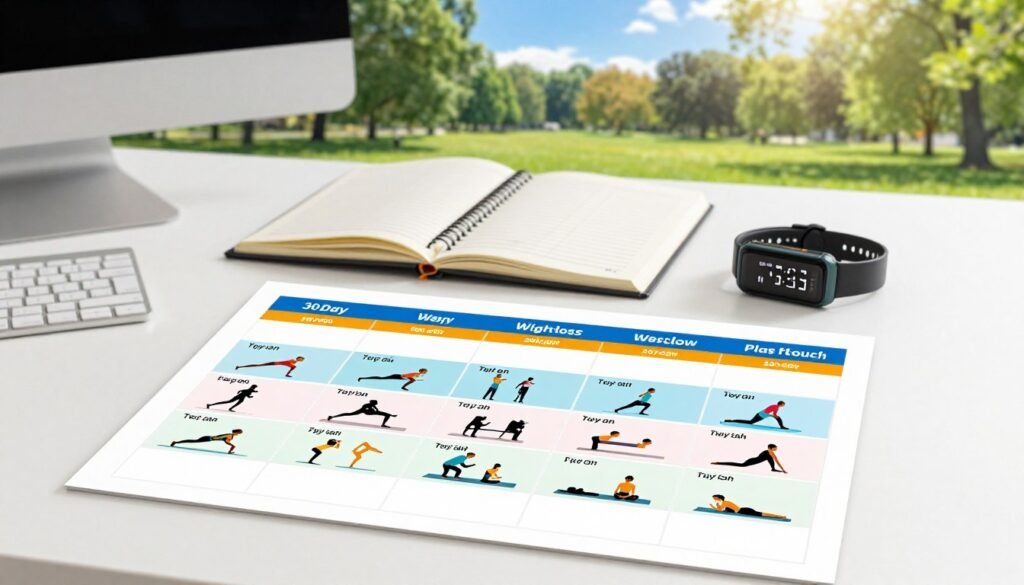
A 30-day weight loss plan needs a good exercise plan. To slim down quickly, mix cardio and strength training. This helps you lose fat, not muscle.
Cardio Workouts for Maximum Fat Burn
Cardio exercises burn calories and fat. There are many cardio workouts for your 30-day weight loss plan.
HIIT vs. Steady-State Cardio
High-Intensity Interval Training (HIIT) is short, intense bursts with rest. It’s great for fat loss. Steady-state cardio is steady, moderate intensity for longer. Mixing both is good.
No-Equipment Cardio Options
You don’t need equipment for cardio. Jumping jacks, running in place, and burpees work well and can be done anywhere.
Strength Training to Preserve Muscle Mass
Cardio burns fat, but strength training keeps muscle. Losing weight means losing fat, not muscle.
Bodyweight Exercise Routines
Bodyweight exercises like push-ups, squats, and lunges build strength. They work many muscles and need no equipment.
Dumbbell and Resistance Band Workouts
Dumbbells and resistance bands add resistance. They’re cheap and effective for various exercises targeting different muscles.
Recovery and Rest Days
Rest and recovery are key. Your body needs time to recover and rebuild muscle.
Active Recovery Techniques
Active recovery means doing low-intensity activities like yoga or a light walk. It helps with blood flow and recovery.
Preventing Overtraining
Listen to your body and don’t overdo it. Overtraining can cause injuries and slow your 30-day weight loss plan.
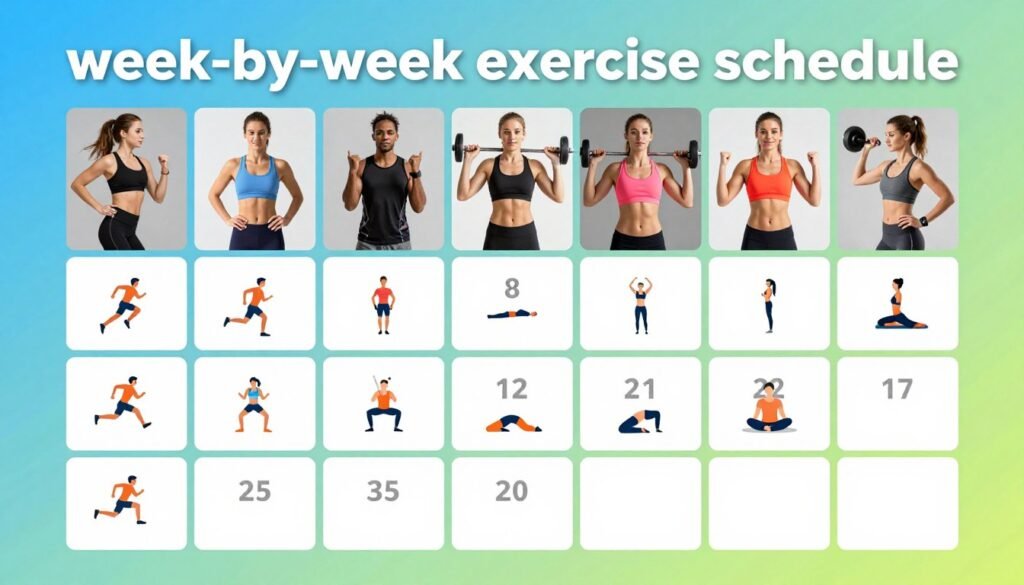
Week-by-Week Exercise Schedule
To lose weight in 30 days, you need a good exercise plan. This plan will help you get fitter and reach your goals.
Week 1: Building Your Fitness Foundation
In the first week, start building a strong fitness base. You’ll do beginner-friendly workout routines to get into the habit.
Beginner-Friendly Workout Routines
Begin with simple activities like brisk walking, jogging, or bodyweight exercises. These are easy to follow and help you get used to exercising.
Establishing Exercise Habits
Being consistent is important. Try to exercise at the same time every day. This makes exercise a regular part of your life.
Week 2: Increasing Intensity
In the second week, make your workouts harder. This will help you lose more weight and get fitter.
Progressive Overload Techniques
Slowly add more weight or resistance to challenge your muscles. This is key for making progress.
Adding Variety to Your Workouts
Change up your routine by trying different exercises. This keeps your workouts fun and stops you from getting bored.
Week 3: Pushing Your Limits
By the third week, you should feel comfortable with your routine. Now, it’s time to push your limits even more.
Challenge Workouts and Benchmarks
Try harder workouts and set goals to track your progress. This keeps you motivated.
Monitoring Exercise Performance
Keep an eye on your workouts and how well you’re doing. Change your routine if needed to meet your goals.
Week 4: Peak Performance
In the last week, aim for peak performance. Focus on burning more calories and perfecting your workouts.
Maximizing Calorie Burn
Use high-intensity interval training (HIIT) to burn more calories. This is great for losing fat quickly.
Finisher Workouts for Extra Results
Finish your workouts with exercises that target specific muscles. This boosts your results and fitness.
Hydration and Sleep: The Unsung Heroes of Weight Loss
Diet and exercise are key for losing weight. But, don’t forget about hydration and sleep. They are just as important for your success.
Optimal Water Intake Strategies
Drinking enough water is crucial for effective weight loss strategies. It helps with digestion and boosts your metabolism. It also keeps you full and controls hunger.
Hydration Schedule Throughout the Day
Drink at least eight glasses of water a day. Drink water in the morning, with meals, and before and after exercise. Remember, “Drink water like you mean it” to feel better and more energetic.
Water-Rich Foods to Include
Eating foods high in water can help you stay hydrated. Try cucumbers, watermelon, and celery. They are low in calories and great for snacking while losing weight.
Sleep Quality and Weight Loss Connection
Sleep is key for shedding pounds in 30 days. Bad sleep can mess with hunger hormones, leading to eating too much and gaining weight.
Creating an Optimal Sleep Environment
Make your bedroom cool, dark, and quiet for better sleep. A comfy mattress is also important. Remember,
“A good laugh and a long sleep are the best cures in the doctor’s book.”
Good sleep is not just for rest. It helps with weight loss too.
Pre-Sleep Routines for Better Rest
Start a bedtime routine to relax. Try reading, meditation, or a warm bath. This will help you sleep better and support your weight loss goals.

Tracking Your Progress Effectively
Starting your 30-day weight loss journey? It’s important to track your progress. This keeps you motivated and helps adjust your diet and exercise. Tracking involves more than just weighing yourself.
Beyond the Scale: Multiple Measurement Methods
The scale shows your weight, but other methods give a full picture. It’s key to use them all.
Body Measurements and Progress Photos
Take body measurements and photos at the start and end. These can really motivate you. You might see your waist get smaller or notice changes in your shape.
Fitness Performance Metrics
Watch how you do in workouts, like reps or running distance. This shows you’re getting fitter. It means you’re losing fat and maybe even gaining muscle or improving heart health.
Using Apps and Technology
Today, apps and tools help track your weight loss. They make it easier to follow your journey.
Food Tracking Applications
Food apps help you log what you eat. They have lots of food options and nutrition info. MyFitnessPal and Lose It! are good examples.
Fitness and Body Composition Trackers
Fitness trackers and smartwatches track your activity, heart rate, and sleep. Some even guess your body fat percentage. Fitbit and Garmin are popular choices.

Using these methods in your 30-day plan helps you stay on track. Be consistent and patient. It’s not just about numbers; it’s about how your body reacts to your new habits.
Overcoming Common Weight Loss Plateaus
Hitting a weight loss plateau can be really frustrating. You’ve been eating right and exercising, but the scale doesn’t move. It’s important to know why this happens and how to get past it.
Why Plateaus Happen
Weight loss plateaus happen for a few reasons. Mainly, it’s because your metabolism slows down and you might be eating more than you think.
Metabolic Adaptation Explained
When you lose weight, your body burns fewer calories. This is because your metabolism slows down to save energy. Metabolic adaptation is normal, but you can fight it with smart strategies.
Hidden Calories and Tracking Errors
People often don’t count calories right or don’t know how many they burn while exercising. Even small mistakes can stop you from losing weight. Paying close attention to what you eat and how much you exercise is key.
Strategies to Break Through Stalls
To get past a weight loss plateau, you need to change your diet and exercise. Here are some ways to do it.
Diet Adjustments and Refeed Days
Changing how many calories you eat or what you eat can help. Adding refeed days where you eat more can also help your metabolism.
Exercise Modifications to Restart Progress
Changing your workout can also help. For example, adding strength training can help you lose weight faster by building muscle.
Understanding why you hit a plateau and using these strategies can help you keep losing weight. Stay focused and don’t give up, even when it gets tough.
Managing Hunger and Cravings
Managing hunger and cravings is a big challenge on your weight loss journey. To slim down quickly, it’s key to know the difference between emotional and physical hunger. Learning to manage them is crucial.
Understanding Emotional vs. Physical Hunger
Emotional hunger comes from feelings, stress, or boredom. Physical hunger is when your body really needs food. Knowing the signs of each helps you make better food choices.
Hunger Awareness Techniques
Practice mindful eating to be more aware of your hunger. Listen to your body’s hunger and fullness signals. Eat slowly and enjoy your food. This helps you tell emotional from physical hunger.
Stress Management for Emotional Eating
Stress often leads to emotional eating. Try stress-reducing activities like meditation, yoga, or deep breathing. These can help manage emotional hunger.
Healthy Alternatives for Common Cravings
Cravings can be tough, but there are healthy ways to satisfy them. Whether you want something sweet or savory, there are good options.
Sweet Tooth Satisfiers
For sweet cravings, try fruits like berries or citrus. Dark chocolate or homemade fruit desserts are also good choices.
Savory and Salty Substitutions
For savory cravings, go for air-popped popcorn, roasted chickpeas, or raw veggies with hummus. These are healthier and still satisfying.
Understanding your hunger and cravings and having healthy options ready helps you stick to your effective weight loss strategies. You can reach your goal to shed pounds in 30 days.
Common Mistakes to Avoid During Your 30-Day Plan
Trying to lose weight in 30 days can be tricky. Knowing what not to do can help a lot. Start your weight loss journey knowing the common mistakes to avoid.
Dietary Pitfalls and Misconceptions
Many people make diet mistakes when trying to lose weight fast. Two big mistakes are being too strict with food and not seeing hidden calories in “healthy” foods.
Overly Restrictive Approaches
Being too strict with your diet can cause you to miss out on nutrients. It can also make you lose motivation. Instead, aim for balance and moderation. You can still enjoy your favorite foods, but in smaller amounts.
Hidden Calories in “Healthy” Foods
Some “healthy” foods have a lot of calories, sugar, or bad fats. Watch out for foods like nuts, dried fruits, and avocados. They are good for you but have a lot of calories. Always read the labels to make smart choices.
| Food | Perceived Health Benefit | Actual Calorie Count |
|---|---|---|
| Nuts (1 oz) | Rich in healthy fats | 170-200 calories |
| Dried Fruits (1/4 cup) | High in fiber and antioxidants | 120-150 calories |
| Avocado (1 medium) | Rich in healthy fats and fiber | 320 calories |
Exercise and Lifestyle Errors
Exercise and lifestyle mistakes can slow down your weight loss. Two key areas to watch are avoiding too much exercise and not being too hard on yourself.
Overtraining Risks and Warning Signs
Too much exercise can cause injuries, tiredness, and burnout. Pay attention to your body. Look for signs like muscle soreness, not doing as well, and a higher resting heart rate. Make sure to rest and recover enough.
All-or-Nothing Mentality
Having an all-or-nothing attitude can be discouraging. Instead, focus on making progress, not being perfect. Celebrate small wins and remember that setbacks are part of the journey.
Knowing these common mistakes and avoiding them can help you lose weight in 30 days. Stay focused, be patient, and keep a balanced diet and exercise routine.
Staying Motivated Throughout Your 30-Day Journey
To lose weight fast in 30 days, staying motivated is key. It helps you stick to your diet and exercise plan, even when it’s hard.
Setting Up Reward Systems
Setting up a reward system can keep you motivated. You could treat yourself to something non-food related when you hit milestones. For example, a new workout outfit after losing 5 pounds or a spa day after two weeks.
Rewards should be meaningful and motivating to you. They help you stay committed to your weight loss goals.
Visualization Techniques
Visualization is a powerful tool for staying motivated. Spend a few minutes each day imagining yourself achieving your weight loss goals. Picture how you’ll look and feel, and the positive changes in your body and health.
This mental imagery can boost your motivation and help you stay focused on your objectives. You can also make a vision board with images that represent your goals.
Handling Setbacks Positively
Setbacks can happen, but it’s important to handle them positively. This way, you avoid derailing your entire weight loss journey. It’s about understanding that slip-ups are normal and having strategies to get back on track.
Bouncing Back from Diet Slips
If you slip up with your diet, don’t be too hard on yourself. Acknowledge the setback and refocus on your healthy eating plan at the next meal. Consistency is key, but being kind to yourself when you make mistakes is also important.
Adjusting Plans When Life Interferes
Life can be unpredictable, and your weight loss plan may need to adjust. Whether it’s a change in work schedule or a social event, being flexible helps you stay on track. Remember, the goal is to make sustainable lifestyle changes, not to follow a rigid plan that can’t withstand real-life challenges.
By using these strategies in your 30-day weight loss plan, you can stay motivated and achieve your goals. This sets you up for long-term success.
Social Situations and Eating Out
Trying to slim down quickly can be tough, even at restaurants and parties. Food is often at the center of these gatherings. But, with smart strategies, you can enjoy these moments and still follow your 30-day weight loss plan.
Restaurant Strategies
Eating out doesn’t have to stop your weight loss. Just be careful with your choices. This way, you can enjoy meals out without losing your way.
Menu Navigation and Smart Ordering
Start by carefully looking at the menu. Choose dishes that are grilled, baked, or steamed. Avoid fried foods. Pick meals with lots of veggies and lean protein. Ask for special requests like dressing on the side or no sauces.
Portion Control in Restaurant Settings
Restaurant portions are often too big. Think about sharing a meal or getting a to-go box early. Listen to your body and stop eating when you’re just satisfied, not stuffed.
Navigating Parties and Special Events
Parties and special events can be challenging. But, there are ways to handle them while on your 30-day weight loss plan.
Pre-Event Eating Strategies
Eat a healthy snack or meal before going to an event. Pick something with protein and fiber to keep you full. This helps you avoid unhealthy choices at the event.
Alcohol Management During Weight Loss
If you plan to drink, remember it adds calories and can make you less careful with your diet. Choose drinks with fewer calories and drink slowly. Try alternating between alcoholic drinks and water.
| Social Situation | Strategy | Benefit |
|---|---|---|
| Eating at Restaurants | Choose grilled or baked dishes | Lower calorie intake |
| Parties and Events | Eat before attending | Reduced temptation to overeat |
| Drinking Alcohol | Opt for lower-calorie drinks | Fewer calories consumed |
Conclusion
You’ve made it through the first 30 days. Now, it’s time to keep your weight loss going. You’ve learned how to eat well and exercise right. This is the start of a healthier life for you.
Remember, losing weight fast is about lasting habits, not quick fixes. Keep track of your progress and deal with hunger and cravings. With the right mindset, you can keep losing weight and live a healthier life.
Keep your goals in mind and adjust them when needed. Surround yourself with people who support you. Don’t get too upset by setbacks. Stay focused and motivated for long-term success.
FAQ
What is a safe rate of weight loss per week?
How can I create a caloric deficit for weight loss?
What are some effective strategies for fast fat loss?
How can I stay motivated during my 30-day weight loss journey?
What are some common mistakes to avoid during a 30-day weight loss plan?
How can I manage hunger and cravings during my weight loss journey?
What are some tips for navigating social situations while on a weight loss diet?
How can I track my progress effectively during my 30-day weight loss plan?
What are some strategies for overcoming weight loss plateaus?
How can I maintain my weight loss after completing my 30-day plan?

is a Health & Fitness writer who shares practical, research-based guidance on healthy living, fitness, and wellness. He focuses on clear, beginner-friendly content at FitFolix to help readers make better health choices.